AI Works Best When You Prepare Before Using It
There’s a growing misconception that AI replaces strategy. In reality, the opposite is true.
The teams getting the most value from AI are usually the teams doing the most preparation before they ever open a prompt window.
AI is incredibly powerful at accelerating work, organizing information, generating variations, identifying patterns, and helping scale production. But without structure, it can also create noise very quickly. Ideas drift. Outputs become inconsistent. Teams lose focus. Suddenly everyone is generating content, but nobody is aligned on the actual goal.
That’s why the strongest AI workflows are not AI-first. They are strategy-first, workflow-driven, and human-guided.

The Real Problem Isn’t AI
The real issue is often the lack of preparation before AI enters the process.
A lot of teams jump directly into prompting:
“Give me campaign ideas”
“Write ad copy”
“Create concepts”
“Generate social posts”
But if the inputs are unclear, the outputs will be unclear too. AI can only amplify the direction it’s given. If the workflow is messy, AI scales the mess.
Before using AI, I usually start by defining:
the business goal
the audience
the challenge
the deliverables
references and research
workflow structure
approval process
success metrics
Only after that do I bring AI into the workflow.
This changes AI from a random idea generator into a structured production partner.
Building AI Around Structure
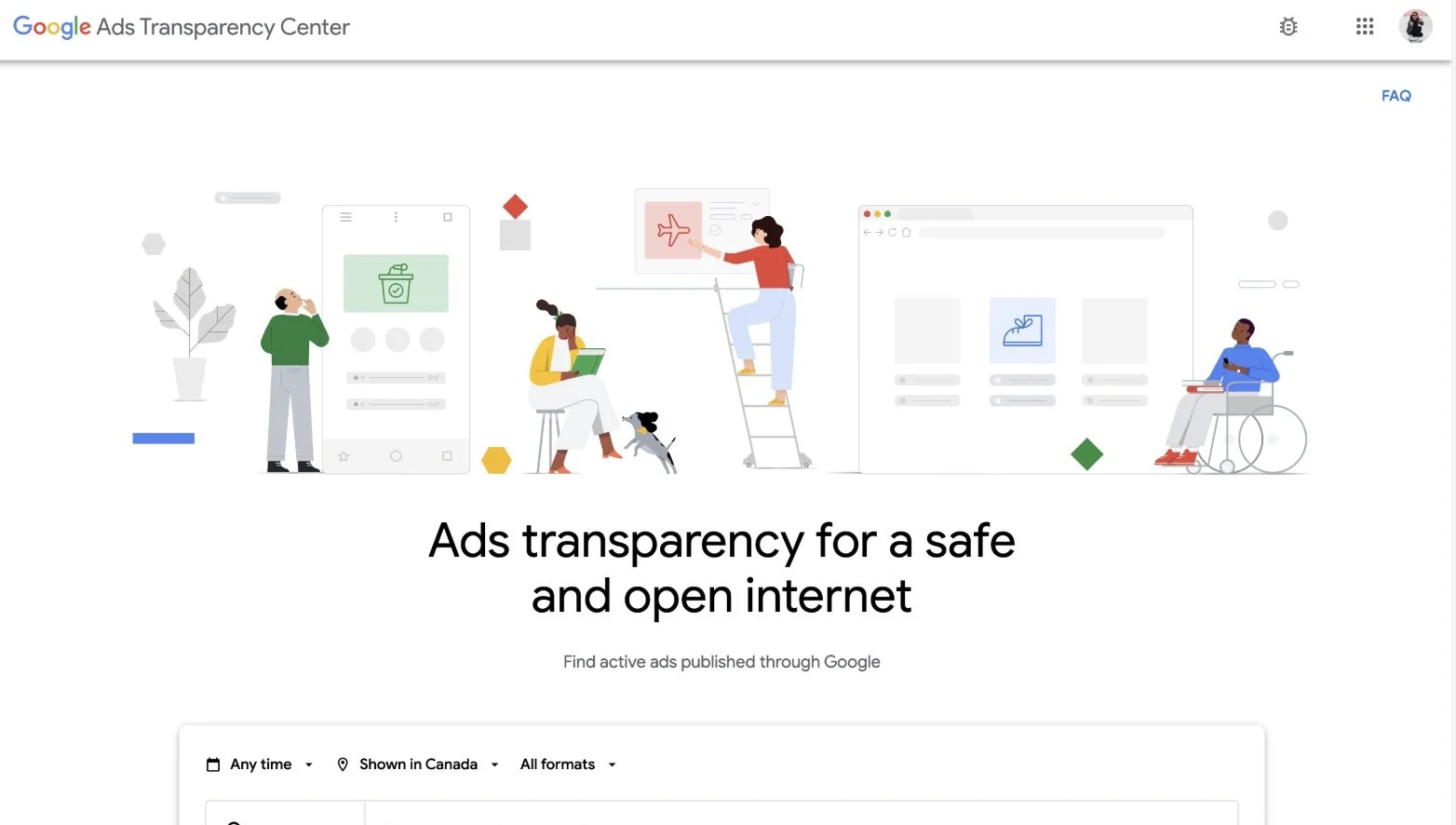
The challenge wasn’t finding inspiration. There was already too much information:
ad transparency libraries
competitor campaigns
internal references
screenshots
spreadsheets
scattered notes
The issue was that none of it connected cleanly into actionable direction. Teams could collect examples endlessly, but there was no consistent system to translate those references into usable creative guidance.
Instead of using AI as a replacement for thinking, we used it to organize and accelerate a process that was already strategically defined.
We built:
standardized taxonomies
structured databases
reusable templates
categorized themes
CTA analysis frameworks
organized offer structures
workflow documentation
Once the structure existed, AI became far more effective. It could identify patterns, summarize insights, surface recurring themes, compare messaging angles, and generate variations much faster than manual processes alone.
The important part wasn’t the prompting itself. The important part was the preparation behind the prompting.

AI Is a Multiplier, Not a Shortcut
One thing I’ve noticed is that experienced creatives and strategists often get more value from AI than junior teams. Not because they’re better at prompting, but because they already understand workflows, production realities, messaging hierarchy, and quality control.
They know how to guide the tool.
AI works best when humans provide:
direction
prioritization
systems
judgment
taste
strategic context
Without that, AI can create an overwhelming amount of output with very little value.
That’s why human review still matters at every stage. AI can accelerate ideation and production, but humans still need to evaluate clarity, emotional resonance, brand alignment, and overall quality.
The goal isn’t removing humans from the process. The goal is removing friction from the process.
In Summary
AI is not a replacement for preparation. In many ways, it makes preparation even more important.
The more organized your thinking is before using AI, the more valuable AI becomes afterward.
Without preparation, AI creates distraction.
With preparation, AI creates leverage.